An appraiser pulls into a driveway off Araby Road, walks through a home with the usual open floor plan and covered patio, and starts running comps the way they do on every other file that week. Except this time the search comes up short. The house is built on an insulated block wall system, not the wood-frame-and-stucco construction that makes up nearly everything else on the list. There is nothing else quite like it within reasonable range, so the appraiser has to reach for homes that aren't quite the same thing and make adjustments to get there.
That is the moment a Belleza sale can slow down, and it has nothing to do with paint color or granite counters.
The wall nobody points out during a showing
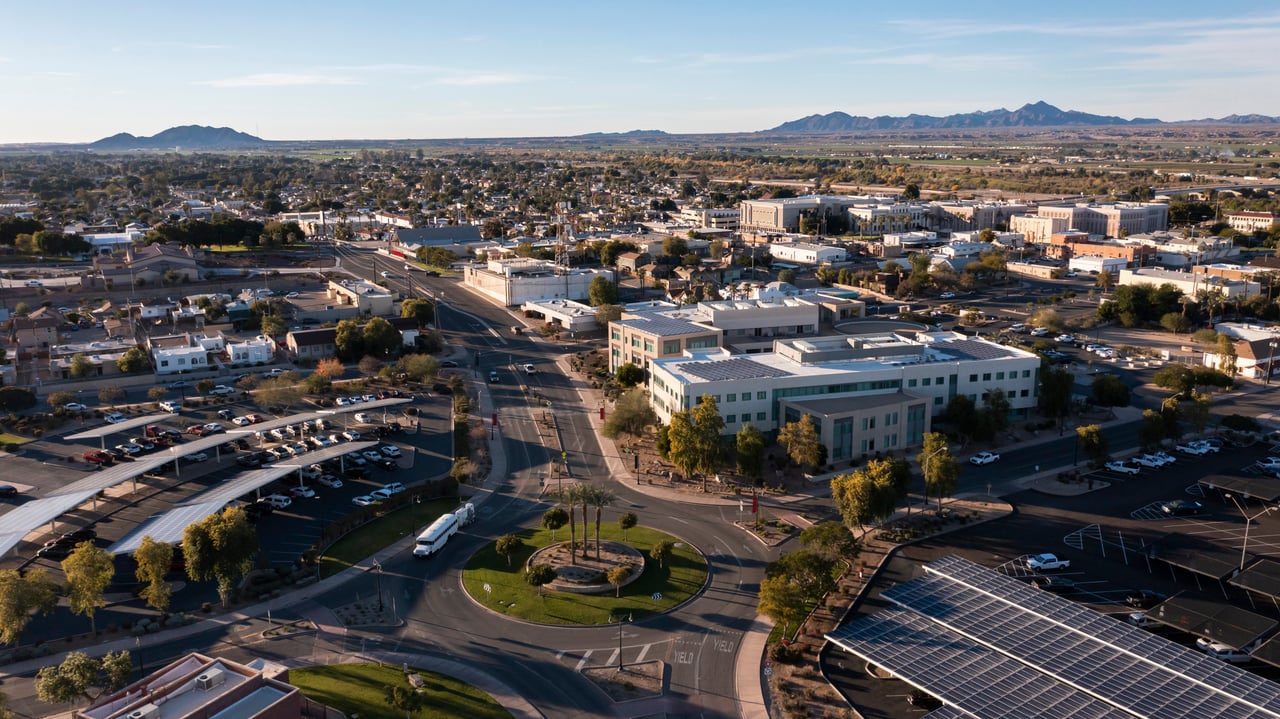
Belleza sits in a compact subdivision of a little over ninety homes, tucked two exits from Fortuna Foothills and two from 16th Street and Yuma Palms Mall, close enough to I-8 to make errands easy and far enough off the main road to feel quiet. Walk through a listing there and you'll see the same things you'd see in most mid-market Yuma neighborhoods. Single-story stucco exteriors, tile roofs, open living areas, a covered patio for the cooler months.
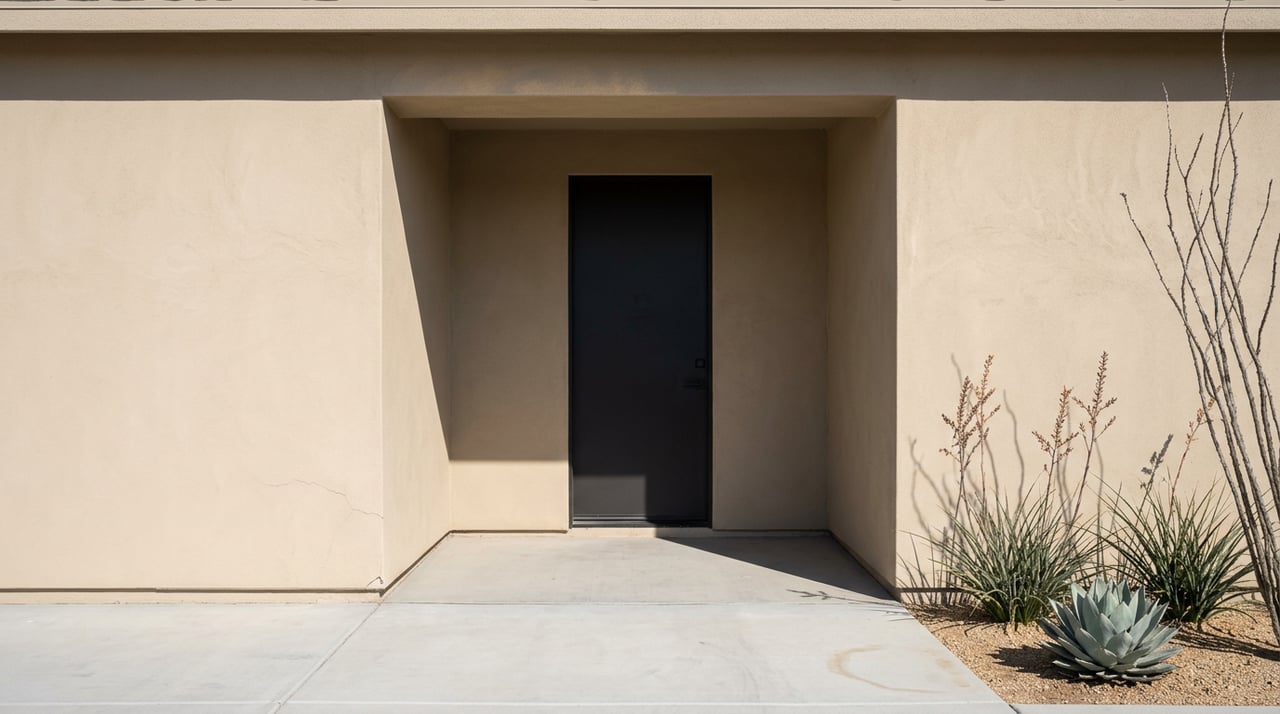
What you won't see, because it's behind the finish, is the wall assembly itself. Belleza was built using an insulated block system rather than standard wood-frame construction, and local real estate professionals who covered the neighborhood when it was going up described it at the time as the only subdivision in Yuma built that way. That's still true of the housing stock today. Homes don't get rebuilt overnight, and there's no reason to think a different construction type has been retrofitted into the neighborhood since.
Block construction of this kind has real upside. The thicker walls carry more thermal mass, which means the home takes longer to heat up and longer to cool down, a genuine advantage during a Yuma summer. The same mass and density cut down on sound transfer between rooms and from the street. And because the exterior walls are concrete rather than lumber, they don't offer the kind of target that wood-boring pests look for.
The tradeoff is that a home built differently from almost everything around it doesn't slot neatly into the tools everyone else in the transaction is using to size it up.
Why the appraisal comes back cautious
An appraisal isn't a guess. It's built on recent sales of comparable properties, adjusted for differences in size, condition, and quality when a perfect match isn't available. That adjustment process is standard and appraisers do it constantly. The issue in Belleza is how far they have to reach to find anything to adjust from in the first place. If the nearest sales are all standard-frame homes a few streets or a few miles away, the appraiser is working with a wider gap to bridge, and a wider gap means more room for a conservative number.
That friction matters more this year than it would in a hotter market. Citywide, Yuma's median sale price moved through the $330,000s and into the $340,000s across March through May 2026, with days on market running in the mid-70s and about five months of supply on the ground as of May 2026, and homes closing at just under 99 percent of list price that same month. That is a normalization from a tighter, faster-moving market in recent years, not a crash, but it does mean less urgency pushing a buyer to bid past a cautious number just to win the house. When there are fewer transactions happening and more room to negotiate, a conservative appraisal is far more likely to actually stick, and to become the number everyone has to work with at the closing table.
For a seller in a neighborhood with no true match nearby, that's the risk worth planning around before a contract is signed, not after the appraisal comes back.
How the two housing types actually differ
| Typical Yuma stick-frame home | Belleza block-built home | |
|---|---|---|
| Exterior wall structure | Wood studs, stucco finish | Insulated block system, stucco finish |
| Thermal behavior | Standard insulation values | Higher thermal mass, slower temperature swings |
| Sound transfer | Typical for wood-frame construction | Reduced, denser wall assembly |
| Exterior wall pest exposure | Wood framing can attract wood-boring pests | Concrete walls don't offer the same target |
| Local comp pool | Deep, many recent matches | Thin, few or no true matches nearby |
What actually changes on an inspection
A home inspector walking through a block-built house isn't checking a different list so much as paying closer attention to a few specific items that behave differently than they do in a wood-frame home.
- Anchoring. Cabinets, shelving, and wall-mounted fixtures need different hardware to secure properly into a block wall than they do into wood studs, so any past DIY work is worth a second look.
- Cooling cycles. Because the walls hold heat and cold longer, an HVAC system sized the way a standard wood-frame home would be sized may run on a different cycle. It's worth asking about the age and tonnage of the system and how the current owner describes summer bills.
- Wood-destroying insect reports. Lenders still typically require a termite inspection regardless of wall material, since roof framing, trim, and other wood elements are still present. The report should come back clean given the block exterior walls, but it's still part of the file.
- Wall penetrations. Any additions, retrofitted outlets, or new openings cut into the original block need to be checked for how well they were sealed and finished, since altering a block wall isn't the same job as cutting into drywall over studs.
None of this makes a Belleza home harder to insure or riskier to own. It makes the inspection report read a little differently than the one on a standard stucco-over-frame house two neighborhoods over, and both sides of a transaction do better when they know that going in.
What a seller can do before it becomes a problem
The fix isn't complicated, but it does take some legwork before the home hits the market. A seller who can hand their agent documentation on the wall system, the age of the HVAC, and recent utility bills gives that agent something concrete to put in front of an appraiser rather than leaving them to explain the construction type from scratch. If any past additions or wall penetrations were permitted, having that paperwork on hand closes a question before an inspector has to raise it.
It also helps to work with someone who already knows this is Belleza's situation rather than someone encountering it for the first time mid-contract. Our own guide to what daily life looks like in Belleza walks through the climate and cooling questions worth asking before you buy or list here, and the Belleza neighborhood page is a good starting point for anyone comparing this pocket of Yuma against other areas.
What a buyer should ask before writing an offer
- Ask directly whether the home is block-built, and if so, request any documentation from the original build or a prior sale.
- Ask your lender in advance how they typically handle appraisals on atypical construction types, so there are no surprises if the number comes back below contract price.
- Ask for utility bill history across at least one full summer, since the thermal performance of the walls should show up there.
- Ask whether any additions or retrofits have been made to the exterior walls, and whether permits exist for that work.
FAQ
Are all homes in Belleza built this way? The subdivision as a whole was built using the insulated block system when it was developed, and the housing stock hasn't changed construction types since. Still, confirm the specific wall assembly for any home you're considering rather than assuming.
Does this affect what kind of loan I can get? Construction type alone doesn't rule out a standard mortgage product. What it can affect is the appraisal process feeding into that loan, which is why talking to your lender early is worth the ten minutes it takes.
Will this make the home harder to sell down the road? Not on its own. Buyers who understand what they're looking at often see the energy performance and sound insulation as a genuine selling point. The friction shows up in the paperwork stage of a transaction, not in buyer demand.
If you're weighing a purchase in Belleza or getting ready to list a block-built home there, it helps to work with someone who already knows where the friction shows up and how to get ahead of it. The Spencer Property Group has spent decades reading Yuma's neighborhoods at exactly this level of detail. Reach out for your free home valuation and let's talk through what your specific address needs before it ever reaches an appraiser's desk.
This article is general information, not legal, tax or financial advice. Consult a qualified professional about your situation.