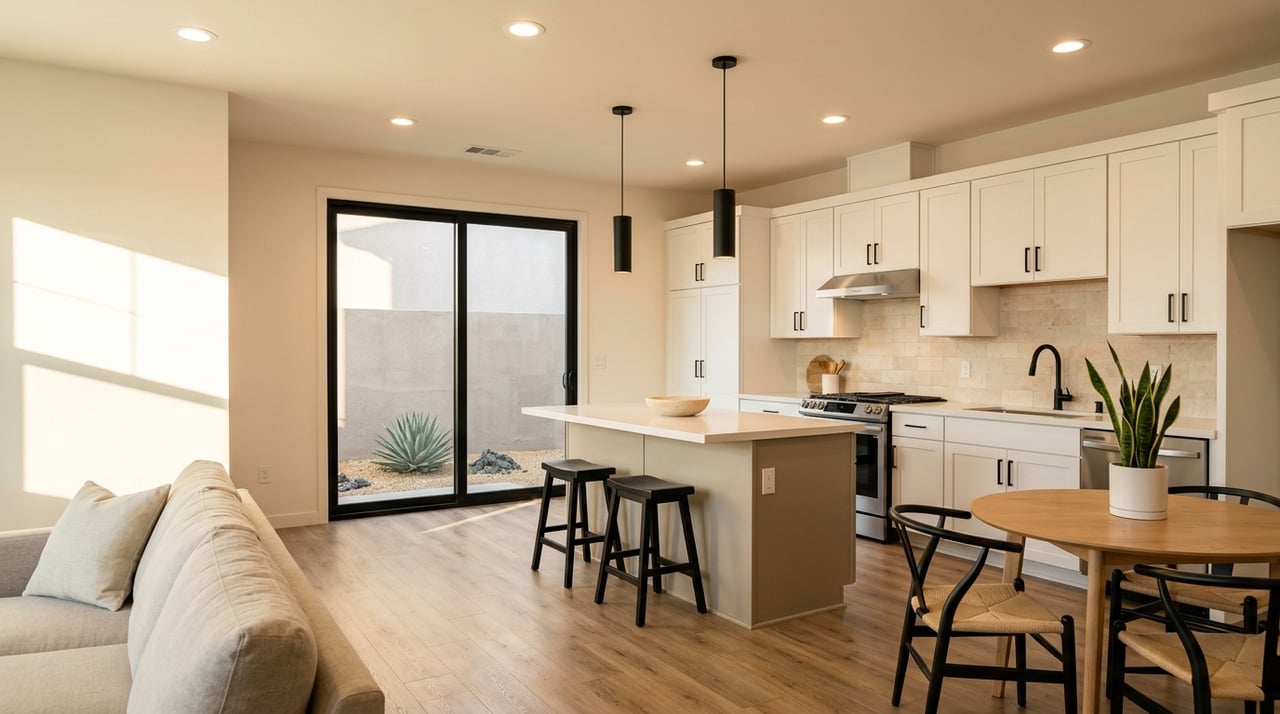
Selling in The Terraces at the View can look simple at first glance. Inventory is limited, the area draws attention, and the homes often appeal to buyers looking for convenience and low-maintenance living. But in a balanced Yuma market, a strong sale usually comes from smart prep, accurate pricing, and clean HOA documentation, not just from putting a sign in the yard. This guide walks you through the process so you can make informed decisions and avoid common delays. Let’s dive in.
Start With the Right Community Details
Before you list, confirm exactly what you own on paper. Public real estate sites use overlapping names like The Terraces at the View, Terraces Two at the View, and Sunset Terraces at the View, and they do not always describe the same product type or subdivision.
That matters because your pricing, marketing, and disclosure strategy should match your exact property. Your deed, plat, and HOA paperwork can help confirm whether your home is in a specific planned community and whether it is an attached townhome, a detached home, or part of a broader Terraces area.
Understand the Current Yuma Market
The market backdrop helps shape your selling plan. In spring 2026, public data described both Yuma and Yuma County as balanced markets, with Yuma showing a median sold price of $341,350 and 56 days on market, while Yuma County showed a median listing price of $345,000, 57 days on market, and a 99% sale-to-list ratio.
For sellers, that usually means buyers still have options and comparisons. You cannot count on low inventory alone to carry the sale, especially when buyers are also weighing newer construction, other townhome communities, and nearby neighborhoods with different price points.
In The Terraces at the View area, public sources showed a small number of active listings in April 2026. Zillow reported a typical value of $487,148, up 0.6% year over year, while public search results also showed a wide asking-price range, from about $329,900 to $609,000.
That spread is a reminder that not every home should be grouped together. Size, finishes, lot features, HOA costs, and whether a buyer sees your home as an alternative to new construction can all affect value.
Step 1: Walk Through Your Home Like a Buyer
Your first job is to see the property with fresh eyes. A pre-sale walk-through can help you spot issues that may affect showings, inspection results, or buyer confidence.
Common areas to review include the roof, plumbing, electrical, HVAC, interiors, insulation, and any visible wear. If you want more clarity up front, a pre-sale inspection can help identify problems before a buyer does.
This is also the time to gather warranties, appliance manuals, and repair records. Buyers often feel more confident when a seller can show a clear maintenance history.
Step 2: Tackle Repairs and Presentation
Once you know the home's condition, decide which repairs are worth doing before launch. Focus first on items that affect function, safety, or a buyer’s first impression.
Even in a sought-after area, deferred maintenance can weaken your negotiating position. In a balanced market, buyers may be less willing to overlook needed work if they have other options nearby.
Cleanliness and presentation matter too. Decluttering, deep cleaning, and improving curb appeal can help your home show better in person and in photos.
Staging is optional, but it can make a difference. A well-staged room often feels more open, more useful, and easier for buyers to picture as their own.
Step 3: Review HOA Compliance Early
If your home is in a planned community, this step is critical. Arizona law requires sellers to disclose known alterations or improvements that violate the community declaration, so it helps to sort through these details before the home hits the market.
Look closely at any exterior changes, patio additions, enclosures, shade features, or other modifications that may have needed HOA approval. If you have approval letters, receipts, or maintenance records, set them aside now.
This early review can help prevent surprises in escrow. It can also make buyer questions easier to answer when the HOA documents are delivered.
Step 4: Assemble the HOA Resale Package
Arizona’s planned community resale law sets out what the association must provide after notice of a pending sale. The resale package must be delivered within 10 days and includes important items like:
- The declaration and bylaws
- Association contact information
- Unpaid assessments and charges
- Information about association insurance coverage
- Reserve information
- Known violations or alterations
- Pending litigation information
- The operating budget
- The most recent annual financial report
- Any reserve study
The association may charge up to $400 for the packet, with limited extra fees for rush service or updates. Because timing matters, it is smart to plan for this early and keep your records organized from the start.
Step 5: Price Against Real Competition
Pricing is where local judgment matters most. In ZIP code 85365, public data showed a median listing price of $379,000 and $223 per square foot as of March 2026, but that does not mean every home in The Terraces at the View should aim near the same number.
The neighborhood sits in a part of Yuma where buyers may compare your home to several different options. They may look at lower-priced nearby neighborhoods, established communities with different value profiles, or new homes from builders in the low-$400,000s to high-$400,000s.
That means your home should be priced using a careful comparison set. The best comps are usually the homes most similar in size, layout, finish level, lot features, HOA structure, and buyer appeal.
If your home competes with low-maintenance townhomes, your pricing should reflect that. If it competes with newer construction, the conversation may shift toward upgrades, condition, move-in readiness, and whether buyers can avoid the wait of a new build.
Step 6: Build a Strong Listing Launch
Once the home is ready and priced well, your listing launch needs to make a strong first impression. MLS exposure typically provides the broadest reach, and strong visuals can help buyers decide whether to book a showing.
That is why prep should happen before photos. Clean surfaces, good lighting, tidy outdoor areas, and an uncluttered layout help the home present at its best online.
For a Terraces-area resale, your marketing should also reflect what buyers are actually shopping for. In this area, public builder marketing has highlighted features like gated townhome living, exterior and yard maintenance, clubhouse and pool access, private courtyards, covered patios, and energy-saving features in some homes.
If your property offers similar practical benefits, those details should be presented clearly and accurately. Buyers are not just comparing square footage. They are comparing lifestyle, upkeep, and convenience.
Step 7: Keep the Home Show-Ready
After launch, be ready for showings on short notice. A clean, calm presentation helps buyers focus on the home rather than on your daily routine.
Try to keep counters clear, floors clean, and personal items put away. Small habits can make a big difference when multiple buyers are viewing homes in the same week.
Consistency matters. If the home photographs beautifully but shows poorly in person, buyer interest can cool quickly.
Step 8: Review Offers Carefully
An offer is more than a price. Buyers may include financing terms, appraisal conditions, inspection contingencies, repair requests, timeline preferences, and requests for concessions.
That is why the strongest offer is not always the highest one on paper. You should review the full picture, including how likely the buyer is to reach closing without major delays or surprises.
If needed, you can counter on price, deadlines, repairs, or concessions. In a balanced market, flexibility on the right terms can help keep a solid buyer in the deal.
Step 9: Stay Organized During Escrow
Once you accept an offer, the sale moves into escrow and then closing. At this stage, organization becomes one of your biggest advantages.
Keep your HOA packet, repair receipts, approval letters, settlement contacts, and any requested documents in one place. Buyers will usually review the seller disclosure, title report, HOA documents, and inspection findings closely, especially in a townhome or planned community sale.
Known issues should be addressed early, not late. Water intrusion, roof concerns, HOA violations, or unapproved modifications can become bigger problems if they surface deep into escrow.
Step 10: Prepare for Closing
Closing is the final step where documents are signed and transfer paperwork is submitted for recording. By this point, your goal is simple: respond quickly, keep paperwork moving, and avoid last-minute confusion.
If you have stayed organized from the beginning, this stage is usually much smoother. A well-prepared sale often feels less stressful because the key disclosures, HOA materials, and repair questions were handled early.
What Helps Terraces Sellers Stand Out
In The Terraces at the View, your home is part of a specific product story. Buyers may be looking for easy upkeep, modern layouts, outdoor living spaces, or access to community amenities, and they may compare your home with both resale and new construction choices across Yuma.
That is why a successful sale usually comes down to four things:
- Verifying the exact subdivision and property type
- Preparing the home before photos and showings
- Pricing with the right comparison set
- Staying ahead of HOA and disclosure requirements
When those pieces are in place, you give buyers fewer reasons to hesitate and more reasons to move forward with confidence.
If you’re thinking about selling in The Terraces at the View, Karen Spencer can help you price strategically, prepare your home for market, and navigate the process with local insight every step of the way.
FAQs
How do you price a home in The Terraces at the View?
- The best approach is to compare your home to similar properties based on size, condition, finishes, lot features, HOA costs, and whether buyers may compare it to resale homes or newer construction in Yuma.
What HOA documents do sellers need in The Terraces at the View?
- In an Arizona planned community sale, the resale package can include the declaration, bylaws, association contacts, unpaid assessments, insurance information, reserve information, known violations, budget, annual financial report, and any reserve study.
How long does it take to get an HOA resale package in Arizona?
- Arizona law requires the association to provide the resale package within 10 days after notice of a pending sale.
What should you fix before selling a Terraces-area home?
- Start with visible or functional issues involving the roof, plumbing, electrical, HVAC, interiors, and any maintenance items that could affect buyer confidence or inspection results.
What should sellers disclose in The Terraces at the View?
- Sellers should disclose known material facts about the property, including issues such as water intrusion, roof concerns, HOA violations, or known unapproved alterations or improvements.
Is The Terraces at the View a seller’s market?
- Public spring 2026 market data described Yuma and Yuma County as balanced markets, which means sellers usually benefit most from competitive pricing, polished presentation, and complete documentation.