If you are thinking about life in Fortuna Foothills, one question shapes almost everything else: do you want a seasonal desert escape or a full-time home base? That choice matters here more than it does in many other communities because winter and summer can feel like two very different versions of daily life. By understanding how the weather, population patterns, recreation, and everyday errands change through the year, you can decide which rhythm fits you best. Let’s dive in.
Why Fortuna Foothills Feels Different by Season
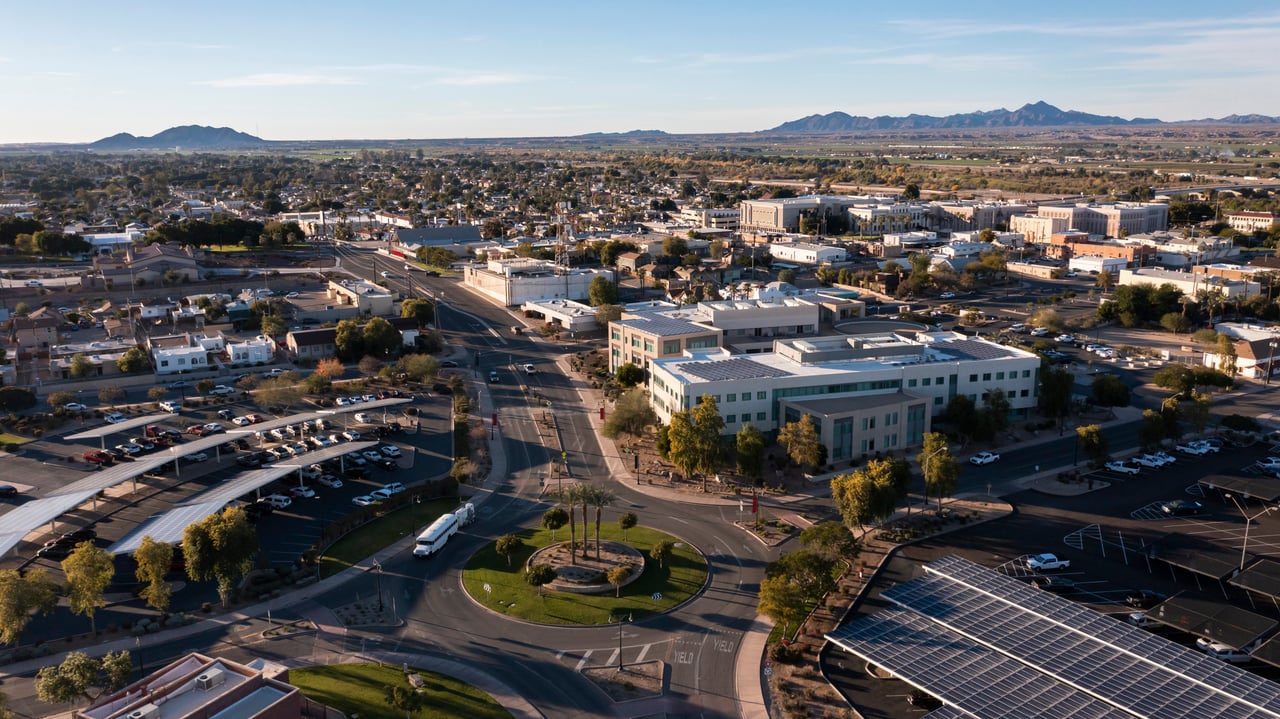
Fortuna Foothills is a large residential community in Yuma County with 27,776 residents and more than 40 square miles of land, according to Census QuickFacts. It also has an ownership-heavy housing profile, with 83.6% owner-occupied homes and 13,615 households. That gives the area a stable, lived-in feel rather than the pace of a dense urban center.
The community also skews older, with 45.3% of residents age 65 or older. Census data shows that 86.2% of residents lived in the same house a year earlier, which points to a steady population base. For buyers, that can signal a place where many people put down roots, whether they stay all year or return season after season.
Winter Life in Fortuna Foothills
Winter is a big reason people are drawn to this part of Yuma County. NOAA climate normals for nearby Yuma MCAS show an average January high of 69.8°F, which helps explain why outdoor living becomes a major part of daily life during the cooler months. When much of the country is dealing with snow and freezing temperatures, this area offers mild days and almost no snowfall.
That seasonal appeal shows up in regional population patterns too. Yuma County reports a year-round population of about 200,000 that rises by about 90,000 in winter because of winter visitors. The City of Yuma also notes that the seasonal population nearly doubles in winter, so the entire region becomes more active during that time of year.
For many seasonal residents, winter life is built around being outside. The Colorado River supports kayaking, canoeing, tubing, boating, fishing, paddleboarding, and jet skiing, while the Imperial National Wildlife Refuge adds access to a quieter natural setting along 30 miles of lower Colorado River habitat. If your ideal season includes sunshine, open space, and time outdoors, winter in the Foothills can feel easy to enjoy.
There is also infrastructure nearby that supports seasonal living. The Bureau of Land Management says the Imperial Dam Long Term Visitor Area was created to meet winter visitors’ needs while helping protect the desert ecosystem. Visit Yuma also notes that winter visitors often bring RVs and travel trailers to BLM land and private campgrounds, which adds to the area’s distinct seasonal energy.
Summer Life in Fortuna Foothills
Summer is when the year-round reality of desert living becomes much clearer. NOAA normals show average highs of 106.7°F in July and 106.4°F in August, with an annual mean temperature of 76.0°F and only 3.28 inches of annual precipitation. In practical terms, that means your daily routine often shifts toward early mornings, shade, indoor time, and reliable air conditioning.
For full-time residents, summer usually brings a quieter pace. The winter surge fades, roads and stores often feel less crowded, and the community settles into a more local rhythm. Some people enjoy that slower off-season feel, while others may find it noticeably less lively than winter.
This is one of the biggest differences between seasonal and year-round life in Fortuna Foothills. If you are here only in winter, you get the region at its most active and weather-friendly. If you live here all year, you also need to be comfortable with the heat and the practical habits that come with desert summers.
Seasonal Living: What It Often Looks Like
Seasonal life in Fortuna Foothills tends to center on comfort, sunshine, and flexibility. Many people come for the mild winter weather, spend time outdoors, connect with other winter visitors, and then leave before the hottest part of the year arrives. That can make the Foothills appealing if you want a second-home lifestyle or an annual winter base.
The broader Yuma area is built to support that pattern. Visit Yuma describes the region as a winter destination with 308 days of sunshine, and local visitor resources highlight recreation, RV stays, and seasonal travel. In other words, winter life here is not an afterthought. It is a major part of how the region functions.
Seasonal residents may especially appreciate these parts of the Foothills lifestyle:
- Mild winter temperatures
- Strong outdoor recreation access
- An active winter-visitor presence across the Yuma region
- Nearby RV and campground infrastructure
- A residential setting that still connects easily to Yuma
If your goal is to enjoy the best weather months and keep your lifestyle simple, this setup can be a strong fit.
Year-Round Living: What It Often Looks Like
Year-round life in Fortuna Foothills is less about a temporary escape and more about everyday practicality. Census data suggests a stable residential base, and that stability can appeal to buyers who want consistency, ownership, and a quieter home environment. Instead of planning around a season, you are building a full routine here.
That routine is supported by regional services and connections. YCAT provides fixed-route, vanpool, and on-call transit service to unincorporated Yuma County communities, including Fortuna Foothills. In a spread-out area, that extra connection matters for day-to-day mobility.
Errands and shopping often point toward Yuma proper. Visit Yuma notes that major retail is concentrated around Yuma Palms Mall, with additional shopping in downtown Yuma, the Big Curve, the Foothills, and other parts of the area. The City of Yuma also describes its historic downtown as offering a wide variety of shopping, dining, and entertainment.
Healthcare access is also regional. Visit Yuma says the Desert Southwest has two fully equipped hospitals, including Yuma Regional Medical Center and Exceptional Community Hospital, along with clinics throughout the region. For buyers considering full-time living, that kind of regional support can be an important part of the decision.
Recreation in Every Season
Outdoor recreation is part of life here, but how you use it may change depending on the time of year. In winter, longer daytime outings are usually much easier and more comfortable. In summer, many residents shift those activities to earlier hours or choose more limited windows outside.
One local feature that gives Fortuna Foothills a unique identity is the Fortuna Foothills Offroad Recreational Area. Visit Yuma says it is used for dirt bikes, quads, side-by-sides, and sand rails, and its location near services like restaurants and gas stations helps it feel accessible rather than remote. That can be a draw for buyers who want recreation close to home.
The Colorado River remains a year-round anchor too, even though the experience may vary with the weather. If you like the idea of having boating, fishing, paddling, or nature viewing within reach, the Foothills benefits from being tied into the broader Yuma outdoor lifestyle. That blend of residential living and recreation access is part of what makes the area stand out.
Which Lifestyle Fits You Best?
The right choice often comes down to what you want your home to do for you. If you are looking for a sunny winter retreat, seasonal life may give you the best of the area without asking you to adapt to the full desert calendar. If you want a stable residential community with strong ownership rates and access to Yuma services, year-round living may be the better long-term fit.
Here is a simple side-by-side view:
| Lifestyle | Best Match For | Main Appeal | Main Tradeoff |
|---|---|---|---|
| Seasonal living | Winter visitors, second-home buyers, RV-oriented residents | Mild weather, active winter season, outdoor time | Limited experience of the full annual rhythm |
| Year-round living | Full-time homeowners, relocators, long-term planners | Stable community, regional services, quieter off-season | Extreme summer heat |
Neither option is automatically better. The key is being honest about how you want to spend your time, what kind of climate you enjoy, and whether you want a winter base or a full-time home.
What Buyers Should Keep in Mind
If you are considering a move or purchase in Fortuna Foothills, it helps to think beyond the listing photos and ask how the area will feel in the month-to-month reality of your life. A home that works beautifully for January may feel very different in July. That does not make one choice right or wrong, but it does make timing and lifestyle fit especially important here.
As you compare homes, consider questions like these:
- Will you live here year-round or only seasonally?
- How comfortable are you with extreme summer heat?
- Do you want easy access to outdoor recreation?
- How important are transit, shopping, and regional healthcare access?
- Do you prefer a busier winter atmosphere or a quieter off-season pace?
These are the kinds of local lifestyle details that can shape whether a move feels successful long after closing day. In a market like Fortuna Foothills, neighborhood-level context matters just as much as square footage and price.
If you are weighing seasonal versus full-time living in Fortuna Foothills, working with a local team can help you match the home to the life you actually want. For personalized guidance on buying or selling in the Yuma area, connect with Karen Spencer.
FAQs
How does winter weather affect daily life in Fortuna Foothills?
- Winter is typically the most comfortable season for outdoor living, with NOAA normals showing an average January high of 69.8°F near Yuma.
How does summer weather affect year-round living in Fortuna Foothills?
- Summer brings extreme heat, with average highs above 106°F in July and August, so many full-time residents plan around early mornings, shade, and indoor cooling.
Is Fortuna Foothills a stable full-time community?
- Yes. Census data shows high owner occupancy at 83.6% and that 86.2% of residents lived in the same house a year earlier, which suggests a stable residential base.
What makes Fortuna Foothills attractive to seasonal residents?
- Many seasonal residents are drawn by mild winter weather, outdoor recreation, RV-friendly regional infrastructure, and the broader Yuma area’s active winter season.
What services support year-round living in Fortuna Foothills?
- Full-time residents benefit from YCAT transit service, regional shopping access in Yuma, and healthcare support that includes hospitals and clinics across the area.
What recreation options are near Fortuna Foothills?
- Nearby options include the Colorado River for boating and paddling, the Imperial National Wildlife Refuge for nature access, and the Fortuna Foothills Offroad Recreational Area for off-road use.