Rolling into Fortuna Foothills with an RV, boat, or side-by-side and want a home that fits your lifestyle? You’re in the right place. Many properties here are set up for easy parking, hookups, and shop space, but the details matter. In this guide, you’ll learn the key features to look for, what to confirm with the county and utilities, and how to shop smart in this corner of Yuma County. Let’s dive in.
Why RV buyers choose Fortuna Foothills
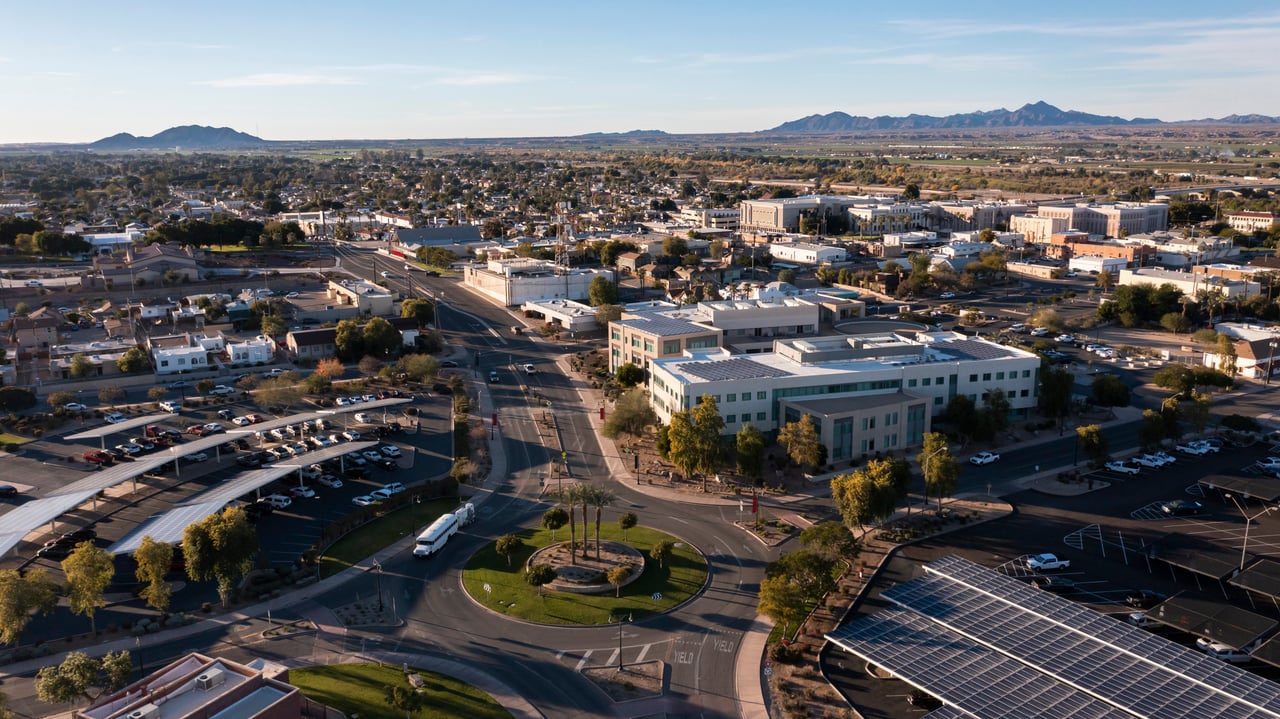
Fortuna Foothills sits just east of Yuma with a mix of single-family homes, manufactured home subdivisions, and deeded RV communities. Much of the area is unincorporated county land, which means Yuma County Development Services is your go-to for zoning, septic, permits, and parcel mapping. If you plan to park or occupy an RV, you should confirm permitted uses and any subdivision standards directly with county staff. You can get started with the county’s guidance and contact info on the Development Services FAQ page.
What “RV and toy‑friendly” really means
RV gates and access
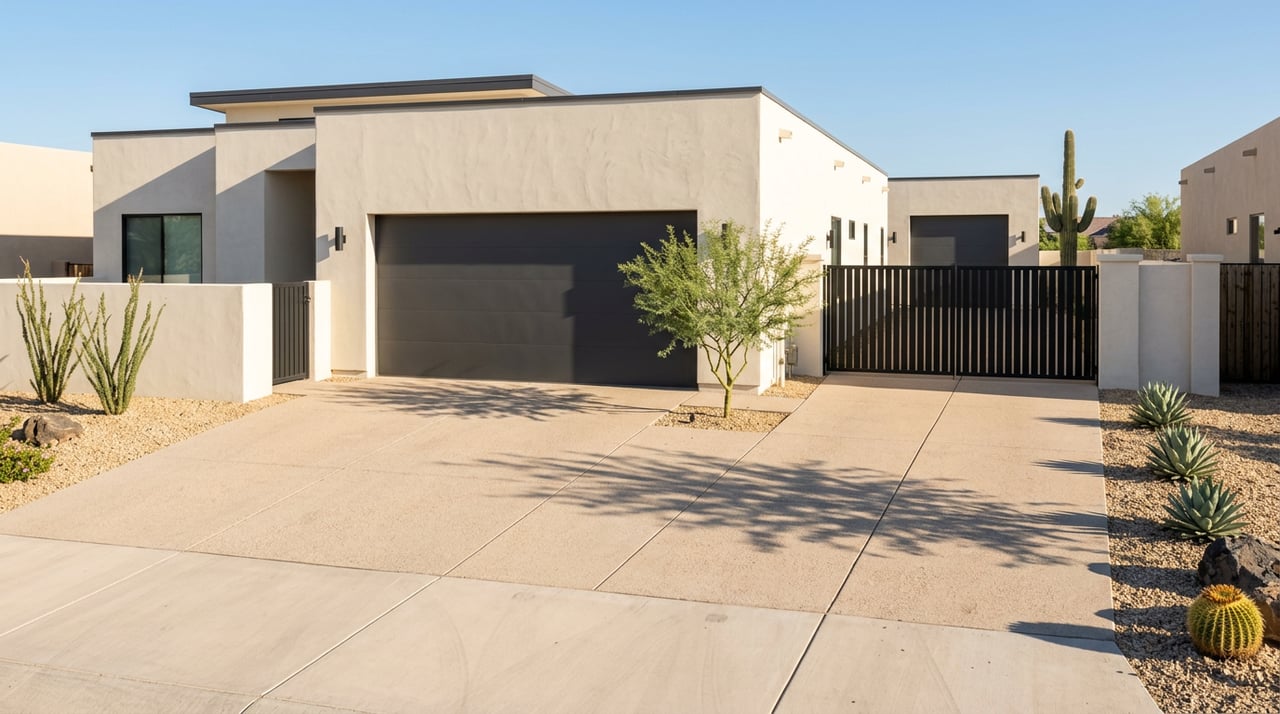
Look for a double or sliding RV gate wide enough for your setup. Local installers often recommend 12 to 16 feet of clear width for comfortable passage. You can review common sizing guidance in this discussion of custom RV gates. Also check swing or track clearance, and whether the gate opens into the public right of way, which may require approvals.
Extended driveways and RV pads
Many properties offer a long paved or compacted pad for parking, leveling, and hookups. Some subdivisions require off‑street RV parking on a durable, dust‑free surface. You can see an example of dust‑free parking language in the City of Yuma code, which is a useful reference when reviewing local standards that may apply to a parcel.
Electrical and full hookups
Hookups often include a 50‑amp or 30‑amp outlet, plus water and, in some cases, a sewer connection. On single‑family lots, hookups are not universal, so verify the panel capacity, outlet type, and permit history. Ask whether the RV outlet is on the main meter or a submeter.
Covered ports, shops, and detached garages
Buyers often want a tall shop or RV port for storage and maintenance. Confirm that any accessory structures were permitted and built to code. The county can help you check permit history and recorded site plans.
Septic versus sewer
Some Foothills properties connect to a utility provider, while others use private septic systems. For septic, confirm tank age, leach‑field condition, and the permitted capacity. Yuma County retains site plans for systems installed after the mid‑1970s; Development Services can direct you to the parcel file.
Zoning and permits you must confirm
Before assuming long‑term RV parking or occupancy is allowed on a parcel, confirm the zoning and permitted uses with Yuma County Development Services. Staff and the county’s parcel tools are the final word. Start with the county’s Development Services FAQ to reach the Planner on Duty and access mapping resources.
You may see RVS or similar designations in local records that are intended for RV or manufactured‑home subdivisions. Exact standards such as setbacks, surfacing, and utility requirements come from the applicable ordinance or the subdivision’s recorded plat and CC&Rs. County and meeting materials confirm that RVS is actively used in the Yuma area, but you should always pull the plat and recorded restrictions for the parcel you are considering.
If you are planning any new gate, second driveway, or curb cut, check county rules for driveway and encroachment permits. Multiple accesses often require engineering review, and sight‑distance or non‑access easements can limit placement.
Utilities to budget and verify
Parts of the Foothills are served by local utilities for water and wastewater. Recent regulatory activity has included a public notice for a new AZPDES wastewater permit affecting Foothills Water & Sewer. Local coverage has also highlighted proposed rate increases and service concerns. A company filing notes that a Foothills Utilities rate case resulted in new rates effective in late 2024. Before you buy, request the last 12 months of water and sewer bills and ask the utility about any recent or pending surcharges.
If a property is on septic, Yuma County Environmental Health can explain the permit and plan review requirements if you plan heavier use, a rental, or a guest unit. This is especially important if you expect frequent RV occupancy or higher‑than‑typical flows.
Where to look in Fortuna Foothills
Deeded RV lots and resort communities
Deeded RV pads in resort settings often come turnkey with hookups and amenities. These areas typically have HOAs and lot rules, so review covenants, parking standards, and any age restrictions before you buy.
Manufactured home subdivisions and RVS‑zoned pockets
Subdivisions like Foothills Mobile Estates and similar recorded units often feature RV gates, fenced yards, RV ports, and sheds. Lot sizes and improvements vary widely, so verify setbacks, accessory structure permits, and any surfacing requirements for off‑street parking.
Larger edge‑area parcels
On the periphery of the Foothills you can find larger lots that fit boats, multiple trailers, or a large shop. On bigger parcels, take extra care to verify septic capacity, water service, and access conditions.
Buyer checklist: from search to site visit
Use this quick checklist to move from online search to confident offer.
Early due diligence
- Ask for the APN and pull the county parcel report, recorded plat, and any CC&Rs. Contact the Planner on Duty to confirm zoning and permitted uses via the Development Services FAQ page.
- Request utility bills and connection details. If served by Foothills Water & Sewer, review recent notices and confirm current rates using the AZDEQ public notice and utility communications.
- For septic, request pumping records, the permit, and the as‑built site plan from Yuma County Development Services.
On‑site measurements and checks
- Gate width and clearance: Measure the clear opening and the swing or track path. Many installers suggest 12 to 16 feet for comfortable RV passage. See typical recommendations in this custom RV gates guide. For planning, remember standard vehicle width limits of about 102 inches for highway use, not counting mirrors or awnings.
- Driveway and pad: Note the material, slope, and condition. Where a standard applies, off‑street RV parking may need a durable, dust‑free surface. You can review a sample code reference for dust‑free surfacing here.
- Vertical clearance: Look up for tree limbs, eaves, canopies, and overhead lines. Measure shop or port height if you plan indoor storage.
- Electrical: Confirm a dedicated 50‑amp or 30‑amp RV outlet, panel capacity, and permit history. Consider an electrician’s report if work looks unpermitted.
- Title and easements: Check for non‑access or pedestrian easements that could limit gate placement. Verify setbacks before adding a shop or RV port.
If you plan to rent the property
RV‑ready features can attract seasonal renters, especially winter visitors who travel with rigs and toys. That appeal can support occupancy if your property allows it, but you should validate the rules. Confirm whether CC&Rs or HOAs limit short‑term rentals or set minimum terms, and check county requirements for any required licenses or taxes. Also, build a cushion for utility costs. Given recent rate activity highlighted by ADEQ and local reporting, obtain 12 months of bills and ask providers about any upcoming charges before you finalize pro formas.
Your next steps
- Call Yuma County Development Services to confirm zoning, septic records, and permit history for any shops, RV ports, or hookups. Start with the Development Services FAQ to reach the Planner on Duty.
- Request 12 months of water and sewer bills and ask about rate cases or surcharges. Review the AZDEQ public notice and any utility updates, plus the company filing noting late‑2024 rate changes.
- If the property is on septic, order an inspection and request the site plan from the county.
- When marketing a property, use clear keywords like RV gate, RV hookups, and paved pad, and include measurements and photos. Always add, “Buyer to verify zoning, permits, and CC&Rs.”
Ready to find a Fortuna Foothills property that truly fits your rig, your toys, and your plans? Connect with Karen Spencer and the local team that knows this market lot by lot. Reach out to Karen Spencer to start your search with expert guidance.
FAQs
What zoning in Fortuna Foothills allows long‑term RV parking?
- Zoning and permitted uses vary by parcel. Always confirm with Yuma County Development Services using the Planner on Duty and parcel tools available through the Development Services FAQ.
Are RV hookups and ports usually permitted on single‑family lots?
- Some are, some are not. Ask for the permit history on RV outlets, shops, and ports, and verify setbacks and surfacing standards with the county before relying on listing remarks.
How do recent water and sewer changes affect my costs?
- Parts of the Foothills are served by utilities that have had recent permit and rate activity. Review the AZDEQ public notice, read local coverage of rate discussions, and request 12 months of bills from the provider.
I’m buying a home on septic. What should I check?
- Ask the county for the septic permit and site plan, request pumping and maintenance records, and consider an inspection to confirm tank condition and leach‑field performance.
What gate width should I plan for my RV?
- Many installers recommend 12 to 16 feet for comfortable clearance, but measure your rig and mirrors. You can review typical guidance in this custom RV gate overview and reference standard vehicle width limits near 102 inches.
Can I add a second driveway or new curb cut for RV access?
- Multiple driveways often require engineering review and permits. Check county encroachment and access rules before planning a second access or relocating a gate.
Are short‑term rentals allowed in RV‑friendly areas of the Foothills?
- Rules depend on CC&Rs, HOA policies, and county requirements. Obtain recorded CC&Rs and HOA rules, and verify any licensing or tax obligations with the county before operating an STR.